
FIFA World Cup 2026 Rules Explained
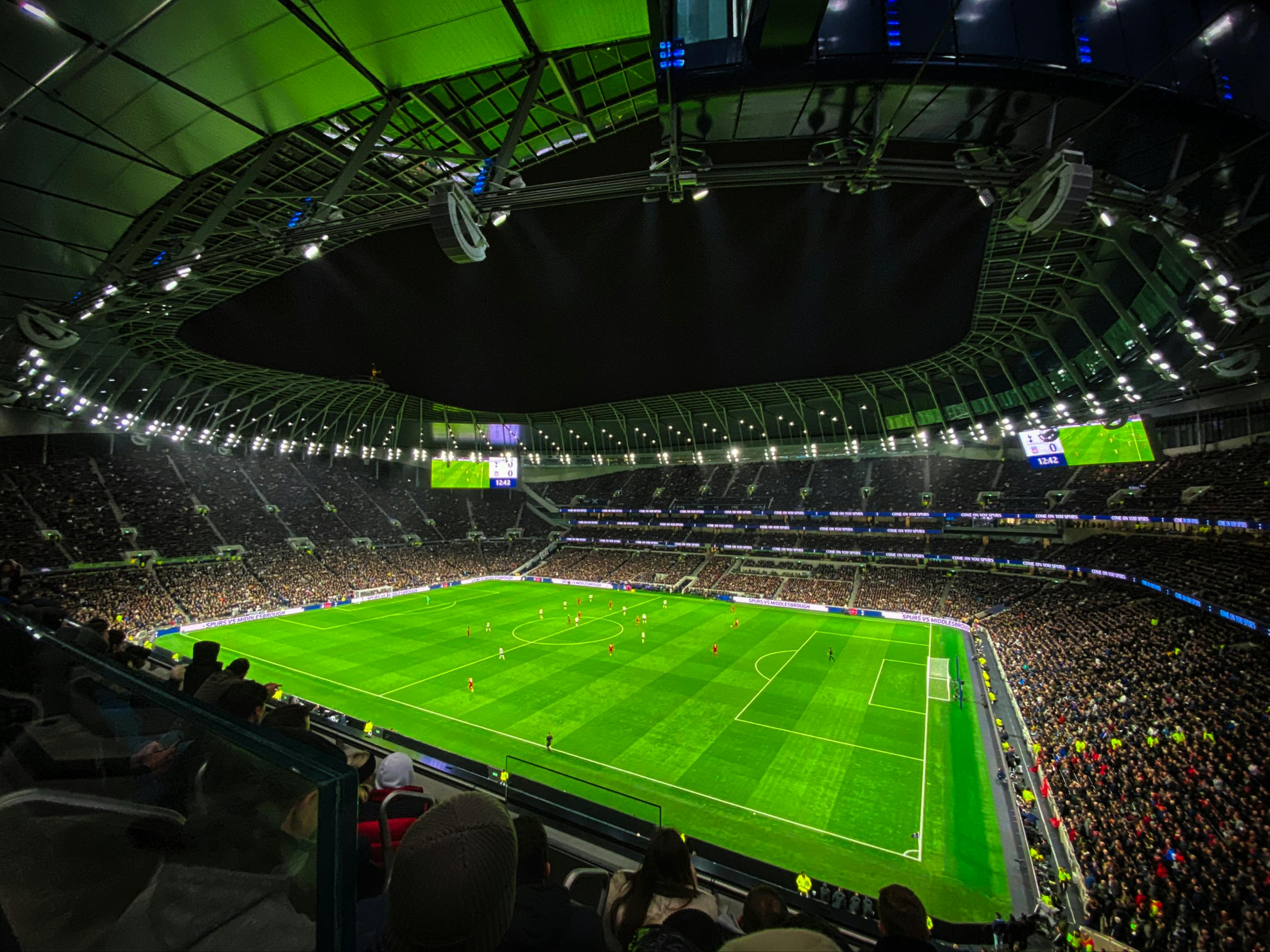
The FIFA World Cup 2026 is the biggest in history — 48 teams, 104 matches, three host nations (USA, Canada, Mexico), and a revamped format that changes how the group stage plays out. Whether you're watching for the first time or just brushing up before the tournament kicks off on June 11, here's everything you need to know.
The New 48-Team Format
Previous World Cups had 32 teams. For 2026, FIFA expanded to 48 teams, organised into 12 groups of 4.
Group Stage:
- 12 groups (A through L), each with 4 teams
- Each team plays 3 group stage matches
- Teams earn 3 points for a win, 1 for a draw, 0 for a loss
- The top 2 teams from each group (24 teams) advance automatically
- The 8 best third-placed teams (out of 12) also advance — making 32 teams in the Round of 32
This means finishing third in your group is no longer an automatic exit. The 8 best third-place records across all 12 groups will progress, adding a new layer of drama on the final matchday.
Tiebreakers in the Group Stage:
When teams are level on points, FIFA uses the following order to separate them:
1. Goal difference
2. Goals scored
3. Head-to-head points
4. Head-to-head goal difference
5. Head-to-head goals scored
6. Fair play record (yellow and red cards)
7. Drawing of lots
Knockout Rounds (from Round of 32 onward):
- Round of 32 → Round of 16 → Quarter-finals → Semi-finals → Third-place play-off → Final
- All knockout matches that are tied after 90 minutes go to extra time, then penalties if needed
The Offside Rule
The offside rule in football (soccer) is one of the most discussed rules in the sport.
The basic rule: A player is offside if they are in the opposing half AND closer to the opponent's goal line than both the ball and the second-to-last defender (usually the last outfield player) at the moment the ball is played to them.
Key points:
- You can only be offside in the opponent's half of the pitch
- Being in an offside position is not an offence by itself — you must be involved in active play (touching the ball, gaining an advantage, or interfering with an opponent)
- Goalkeepers count as defenders — so "last defender" almost always means the last outfield player on the defending team
- A player cannot be offside directly from a goal kick, throw-in, or corner kick
VAR and the offside line:
Since 2018, VAR (Video Assistant Referee) has been used to review offside calls. Lines are drawn from the furthest advanced body part of the attacker and compared to the last defender. Even a shoulder or armpit ahead of the defender counts as offside. This precision has generated significant controversy but remains the official standard.
VAR (Video Assistant Referee)
VAR was introduced at the 2018 World Cup and has been used at every major FIFA tournament since.
What can VAR review?
1. Goals (including fouls and offsides in the build-up)
2. Penalty decisions
3. Direct red card incidents
4. Mistaken identity (if a referee cards the wrong player)
How it works:
The on-field referee makes their decision. The VAR team in a review hub watches the incident on multiple camera angles. If there is a "clear and obvious error," the VAR team informs the referee, who may then review the footage themselves on a pitchside monitor before making a final decision.
VAR does not review yellow cards (except the mistaken identity scenario) or fouls that didn't directly lead to a goal or penalty.
Card Rules: Yellow and Red Cards
Yellow Cards:
Yellow cards are issued for cautions — dissent, time-wasting, unsporting behavior, or persistent rule-breaking. A player who receives two yellow cards in the same match is automatically shown a red card and dismissed.
Yellow cards also accumulate across matches. At the 2026 World Cup, a player who collects two yellow cards across different matches in the same round of competition (group stage or knockout stage) will be suspended for their team's next game.
Red Cards:
A direct red card can be issued for:
- Serious foul play (dangerous tackle or excessive force)
- Violent conduct (striking, biting, spitting at an opponent)
- Denying a clear goal-scoring opportunity (the "last man" foul)
- Using offensive, insulting, or abusive language or gestures
- Receiving a second yellow card in the same match
A player shown a red card is immediately suspended for at least the next match. Depending on the severity, FIFA can extend suspensions beyond one game.
Extra Time and Penalty Shootouts
If a knockout match is level after 90 minutes of regular play:
Extra Time:
- Two periods of 15 minutes each (30 minutes total)
- There is no "golden goal" — both periods must be completed unless a goal is scored and the game ends naturally
- Teams are allowed to make a fourth substitution during extra time (in addition to the three allowed in regular time; some competitions allow five in regular time — check the specific rules)
Penalty Shootout:
If the score is still level after extra time, the match goes to a penalty shootout.
- Each team nominates 5 penalty takers (from the 11 players on the pitch at the end of extra time)
- Teams alternate taking penalties
- The team that scores more from their 5 attempts wins
- If level after 5 each, it becomes sudden death — teams continue alternating until one team scores and the other misses
Any outfield player or the goalkeeper can take a penalty. The goalkeeper who was on the pitch at the end of extra time must face the shootout (unless injured).
New Rules for 2026
Several updates affect the 2026 World Cup specifically:
Expanded squad lists: FIFA has confirmed 26-man squads (up from 23 in previous tournaments). Teams can name up to 26 players but only 23 can be used for any given match.
Round of 32 introduction: For the first time, there is a Round of 32 — 16 matches played before the traditional Round of 16. This is a direct result of the expanded 48-team format.
Third-place qualification: As noted above, 8 of the 12 third-placed teams advance. This is unprecedented at a World Cup and means the final group stage matchday across all groups will have major implications for teams watching scores in other groups.
Concussion substitutions: FIFA continues to allow temporary concussion assessments and has protocols in place for suspected head injuries, with potential for an additional substitution if a player is confirmed concussed.
Host Nations
The 2026 World Cup is jointly hosted by:
- United States (11 stadiums, including MetLife Stadium in New York for the final)
- Mexico (3 stadiums, including Estadio Azteca)
- Canada (2 stadiums, including BC Place in Vancouver)
The final will be played on July 19, 2026 at MetLife Stadium, East Rutherford, New Jersey.
Key Dates
| Stage | Dates |
|---|---|
| Group Stage | June 11 – July 2, 2026 |
| Round of 32 | July 4–7, 2026 |
| Round of 16 | July 9–12, 2026 |
| Quarter-finals | July 14–15, 2026 |
| Semi-finals | July 18–19, 2026 |
| Third-place play-off | July 22, 2026 |
| Final | July 19, 2026 |
Playing World Cup 2026 Fantasy
If you want to get more from watching the tournament, the official FIFA fantasy game at play.fifa.com lets you pick a squad and score points based on real player performances.
Use our World Cup 2026 Fantasy Calculator to calculate fantasy points for any position using the official FIFA scoring system — plus a full group-stage bracket predictor to simulate your path to the final.
Free Download
Get the Free Scoring Cheat Sheet
All scoring rules for PPR, Half-PPR, and Standard — one printable reference card. Plus ESPN vs Yahoo vs Sleeper platform differences.
No spam. Unsubscribe any time.
Frequently Asked Questions
How many teams are in the 2026 World Cup?
48 teams — the largest field in World Cup history. They are divided into 12 groups of 4.
Does the golden goal rule apply in 2026?
No. The golden goal was scrapped after Euro 2004. Extra time goes the full 30 minutes regardless of goals scored.
Can you be offside from a throw-in?
No. You cannot be offside directly from a throw-in, corner kick, or goal kick.
What happens if a player gets two yellows in different group games?
They are suspended for their team's next match. Yellow cards reset at the start of the knockout round.
Where is the 2026 World Cup final?
MetLife Stadium in East Rutherford, New Jersey, USA on July 19, 2026.
How many substitutes are allowed per game?
Each team can make up to 5 substitutions during a match, spread across a maximum of 3 stoppages in play (plus half time). An additional substitution is permitted in extra time.